
Technology - Overview
Effective Approach
An effective approach to textiles begins with a clear understanding of the technology behind them.
Whether selecting towels for a hotel, choosing linens for a home collection, or developing a custom product for a private-label brand, the first step is always the same: knowing what truly defines quality.
This page provides a simple, honest overview of the essential concepts. It is not meant to explain every detail or every standard. Here, the focus is only on the core principles that shape any well-made textile.
Textile Technology - Overview
Fibers: Where Everything Begins
Textiles begin with their fibers. And with a closer look, it becomes clear that the world of fibers is much broader than most people imagine.
Natural, Regenerated, Synthetic
Each group carries its own strengths and characteristics.
Natural
Natural fibers such as cotton, true linen, and wool have been used for centuries. They offer comfort, breathability, and a timeless sense of familiarity.
Regenerated
Regenerated fibers such as bamboo viscose, modal, and tencel are derived from natural sources and transformed into materials that are smoother, softer, and often more refined.
Synthetic
Synthetic fibers such as polyester, microfiber, nylon, and acrylic offer durability, lightness, and practical performance, especially when blended with natural fibers.
Understanding fiber diversity explains why fabrics differ so much in feel and performance — and why choosing the right fiber is the first real step toward choosing the right product.
In towels, bath sets, and bed linens, only a few fibers consistently meet the standards of comfort, performance, and long-term durability:
• Cotton for natural comfort and strong absorbency
• Bamboo blends for softness, elegance, and a touch of luxury
• Microfiber for lightweight practicality and quick drying
These fibers define how the final product behaves — and knowing them leads to better, smarter choices.
Textile Technology - Overview
Yarn & Weaving: The Structure Behind Quality
In towels, bed linens, and other daily-use textiles, only a few spinning methods consistently deliver reliable performance:
• Ring-Spun yarn, known for its smooth feel and strong structure
• Combed-Cotton yarn, refined for extra softness and uniformity
• Open-End yarn, used mainly in economical ranges where durability is prioritized over luxury
Once the yarn is prepared, weaving brings it to life. Terry weaving forms the loops that give towels their absorbency; plain weaves create steady, long-lasting strength; and dobby or jacquard techniques add texture and elegant patterns.
The spinning and weaving methods chosen directly influence how a textile feels, performs, and ages — which explains why two products that look similar can behave very differently over time.
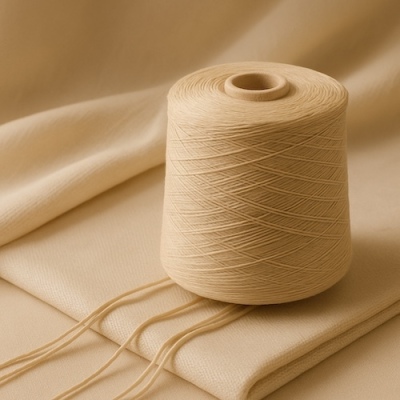
Ring-Spun Yarn
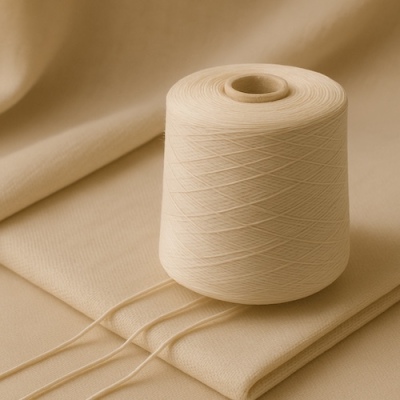
Combed-Cotton Yarn
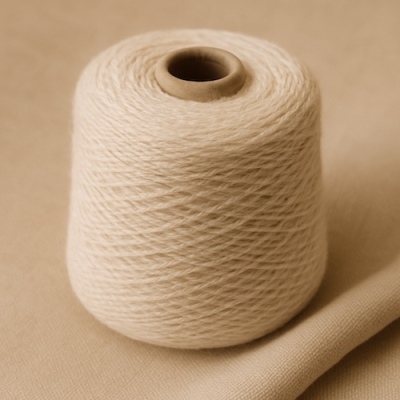
Open-End Yarn
Technology - Overview
GSM & Density:
Weight and Comfort
GSM — grams per square meter — is often the first number people notice, yet it describes far more than the simple weight of a fabric. In towels, it suggests how effectively the loops can absorb water; in bed linens, it influences drape, breathability, and long-term comfort.
But GSM alone never tells the full story. Density—the tightness of the weave—is equally important. Two towels may share the same GSM, yet one can feel fuller and last longer simply because its loops are more evenly packed and its structure is stronger.
A heavier product is not always a better one. What matters is the balance: the right weight for the purpose, supported by the right density in weaving.
When these two elements work together, comfort becomes natural, performance becomes reliable, and the textile maintains its quality far beyond the first impression.
Textile Technology - Overview
Sources & References
This overview is only a starting point. Each topic has its own depth, explored in the following sections with greater clarity. Understanding these basics makes it easier to see what truly defines a textile—far beyond appearance alone.
The intention here is guidance as much as information. When the principles behind textiles become clear, choices grow wiser, budgets are used more efficiently, and any final collection gains a sense of confidence and long-lasting value.
Sources & References
• Cotton Incorporated:
Cotton’s Properties & Benefits
• Textile Exchange:
Preferred Fiber & Materials Market Report
• Textiles School:
Yarn Types (Ring-Spun, Open-End, etc.)
• Britannica:
Weaving & Textile Manufacturing
• Textile Learner:
