
Technology - Textile Sustainability
Sustainable Textile
Creating Quality That Respects Both People and the Planet
In textile production, sustainability is not a luxury or a marketing idea — it is a genuine responsibility.
When a product is made to last for years while leaving minimal impact on the environment, we serve not only the customer, but also the future.
The following sections offer a clear and practical overview of the sustainability principles that shape the qualities of our textile products.
Textile Technology - Sustainability
Eco-Friendly Fibers
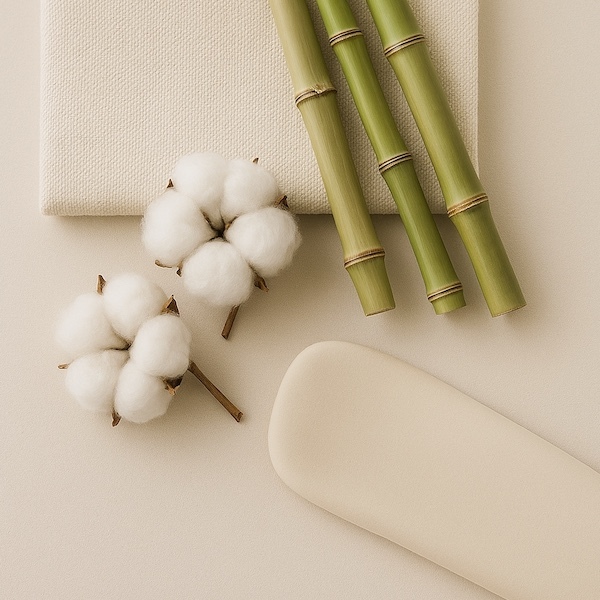
Sustainability begins with the very first choice: which fibers we use.
• Cotton sourced from reduced-water farming
• Bamboo blends that grow quickly with minimal chemical input
• Microfibers engineered for durability and lower waste
It is true that customers do not directly choose the fibers when purchasing a towel, but working with suppliers who prioritize these materials ensures stable, reliable quality.
These choices may seem small, but they shape the carbon footprint, durability, and overall performance of the final textile. Better fibers simply create better products — for the user and for the environment.
Textile Technology - Sustainability
Water & Energy Efficiency
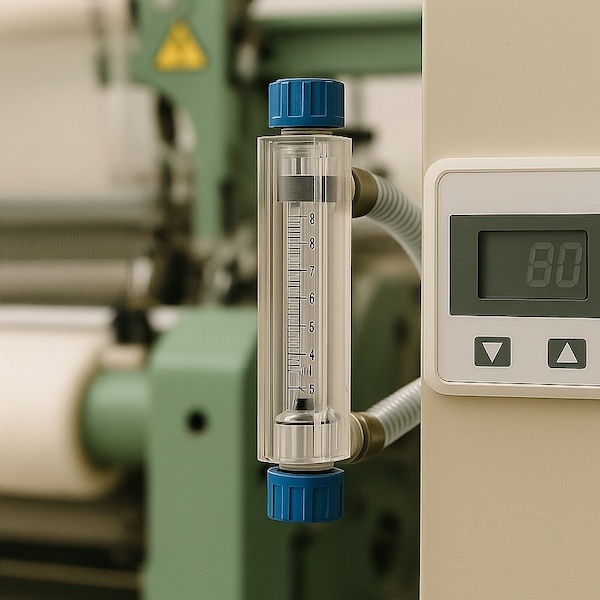
Every liter of water and every watt of energy matters.
By collaborating with mills that use modern technologies, consumption is actively reduced through:
• Water-recycling systems in dyeing
• Low-energy weaving and finishing machines
• High-efficiency dryers and steam systems
The result is quality that doesn’t come at the expense of natural resources.
A textile can be beautiful, durable, and responsible at the same time.
Textile Technology - Sustainability
Responsible Dyeing
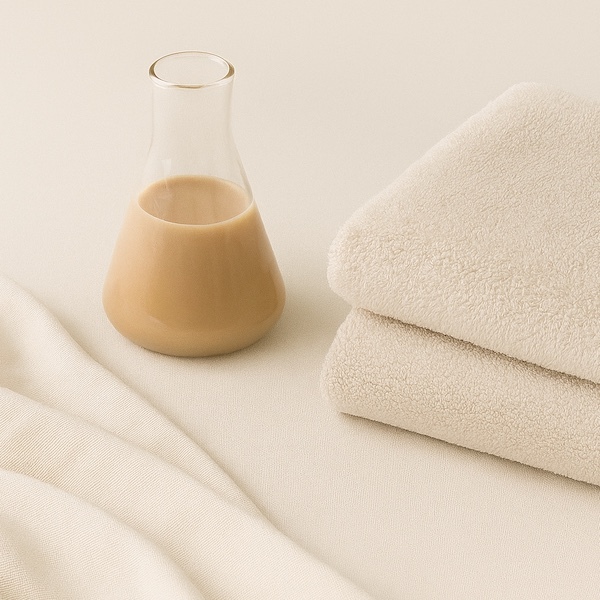
Dyeing is one of the most sensitive and potentially polluting stages in textiles.
But when carried out responsibly, it becomes a source of safety, stability, and long-lasting color.
Responsible dyeing includes:
• Low-chemical, low-impact dyes
• Full wastewater treatment before discharge
• Stronger color fastness and improved durability
Consumers see a beautiful color; what they receive is a safer textile.
Textile Technology - Sustainability
Waste Reduction & Recycling
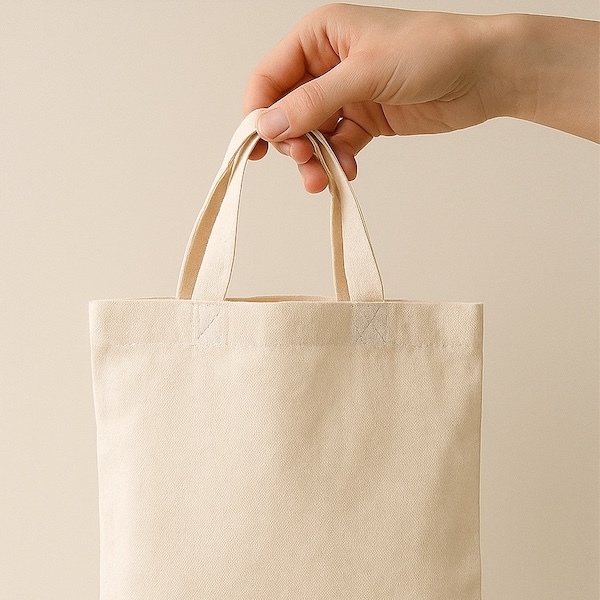
Sustainability is not only about using less — it is also about preventing waste.
• Offcuts and scrap materials are recycled responsibly
• Production waste is reprocessed into industrial-grade fibers, not used in final towels
• Smart pattern design reduces material loss from the start
These behind-the-scenes steps support a cleaner production process, while the final textile always uses first-quality materials.
Textile Technology - Sustainability
Sources & References
Sustainability should not be a slogan or a trend.
It is a way of thinking that guides every stage of textile creation — from choosing fibers to finishing the fabric.
When a product is made with respect for nature, it lasts longer, performs better, and builds trust with every use.
Sustainability is not an added cost;
it is the wisest investment in long-term quality, for both the consumer and the world around us.
Sources & References
• ISO 14001:
Environmental management systems
• ISO 14040 / ISO 14044:
• ISO 14067:
• ISO 50001:
• ISO 14046:
• OEKO-TEX® Standard 100:
Harmful substances testing in textiles
• ZDHC:
Zero Discharge of Hazardous Chemicals Programme
• GOTS:
Global Organic Textile Standard
• Textile Exchange:
Preferred Fiber & Materials Standards
• EU BAT:
